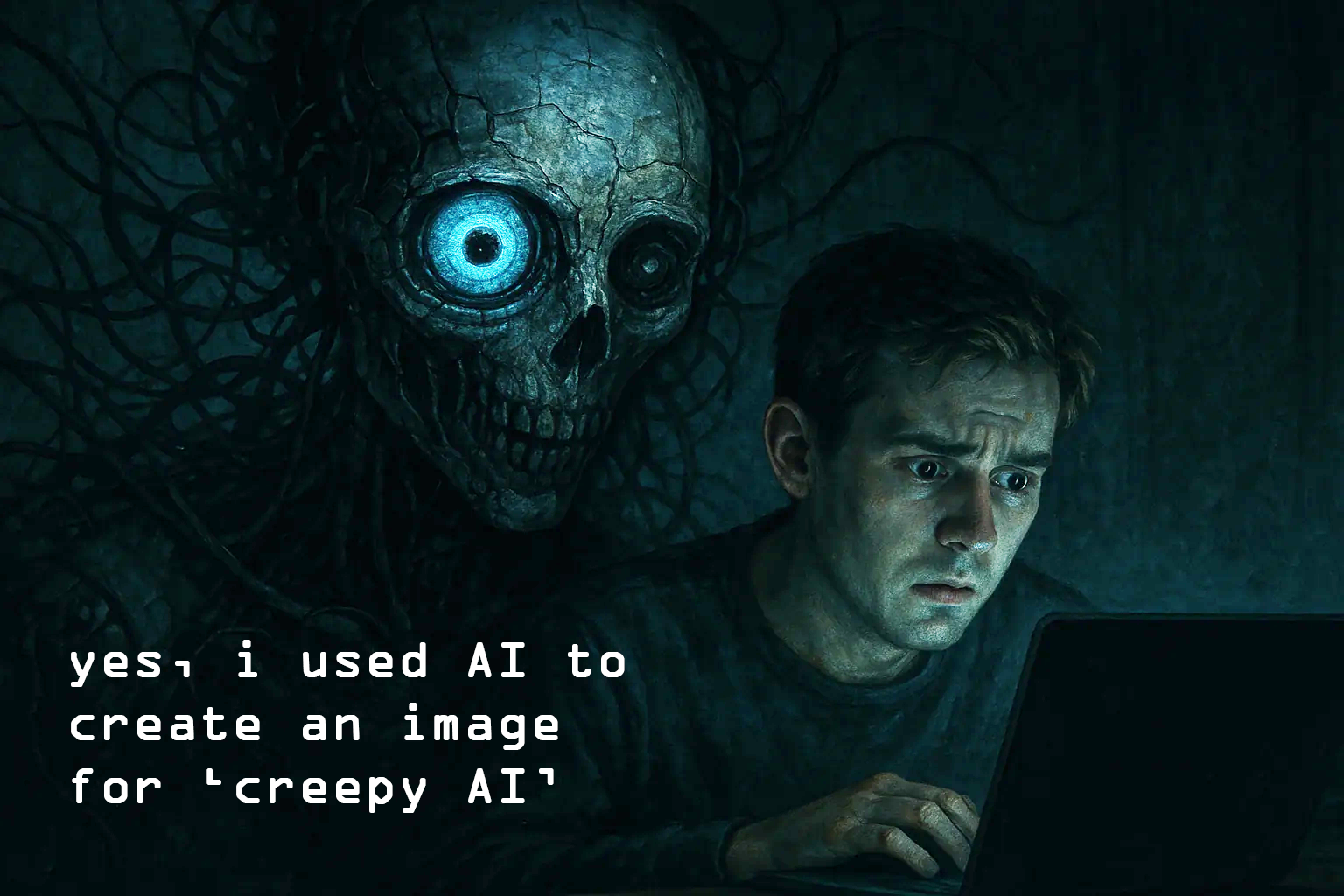
By Someone Who’s Being Watched by Enough Algorithms Already
Hey: Machines are watching us.
Not just any machines—friendly, well-dressed machines in head-to-toe Thom Browne, existing in the Adobe Experience Platform, smiling virtual smiles with every event stream and thoughtfully nodding at every behavioral segment joined.
They’re mostly polite. A soft whisper:
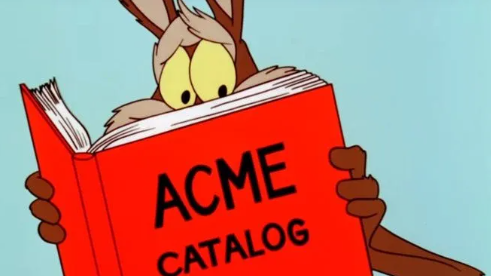 “We know you looked at that ACME anvil three times. We know your name, Mr. Coyote. We know your email. We might even know you’re low-key obsessed with road runners.”
But I Didn’t Sign Up for Creepy
Our Adobe tools give us marketers god-mode visibility. But with great power comes great responsibility capacity to weird people out. There’s an awfully fine line between personalization and digital stalking, and AI really walks that Wallenda tightrope, threatening to fall with every soft-toed step.
But what if we made it less creepy? What if AI felt more like a concierge, or a phosphene-subtle nudge and less like a bedbug infestation? That’s what I want anyway, and I don’t think I’m alone. More than once I’ve worked with a client to define specific use-cases for their personalization and said the time-worn “just because you can, doesn’t mean you should…”
People are paranoid enough—sometimes with good reason—and adding to the digital noise that feels so invasive erodes the trust you’ve curated in gathering their data over time. (assuming you did that nicely in the first place)
What then?
Maybe Use AI to Understand, Not Just Predict
Let’s get this straight: prediction is seductive. It’s also a shortcut to uncanny valley.
- Creepy AI: “Hey Bub, want another fitted shirt like the one she complemented during dinner yesterday?”
- Better AI: “Check out these fitted shirts for every occasion.”
Within Adobe Sensei and Real-Time CDP, focus on intention modeling, not just clickstream breadcrumb trails. Humans are so much more than the sum of their cart abandons. And yeah yeah, I know, half the reason you were hired was to make those abandoned cart emails that are the must-have accessory of the season.
Répéter: Consent Is Not a Checkbox, It’s a Relationship
Adobe offers you tools to manage consent and connects to providers like OneTrust that specialize in it. But don’t treat it like a legal speed bump to a barrage of content. If you asked me (you didn’t, nobody did), consent needs to be nurtured right along with the slow play of content that creates buyer stickiness.
Use Adobe Experience Platform’s consent framework to:
- Respect granular opt-ins.
- Let users change their minds without a customer service novel.
- Show them what they’re sharing and what they’re getting.
Seriously, so few do this last bit, but take off your marketing helmet and put on your customer hat for a moment and think it through. How refreshing would it be to have a retailer, company, empire, treat you like a live human and with respect to boot?
In mobile circles, both iOS and Android have some amount of transparency built into their respective app stores to display what kinds of data an app may/may not be tracking. It’s certainly not perfect and mostly self-reported, but we can take a page on this one perhaps. For me anyway, it’s something I always look at before clicking the install button.
Because nothing says “creepy” like tracking someone who said “no thanky” and hoping they won’t notice. It’s about as poignant an example as you can make. Ask someone out for a drink and they say no thanky, but you keep following them around anyway? Don’t be that guy person. Just don’t.
Context!
 Adobe Target is powerful and really kinda fun—but again, just because you can personalize every pixel doesn’t mean you should. Be a good bartender: know when to talk, and when to leave someone alone with their existential dread, crippling anxiety, and their paloma (or greyhound as grapefruit juice is just the best mixer).
Hey, want a tip? Prioritize contextual personalization over identity personalization:
- What time is it? Time of day, “good morning” or better yet, the season “need a warm up”? Broad strokes are wonderful
- Device type. Mobile gets a nice vertical banner with tappable CTA, desktop gets a sweet hero carousel.
- Referral Source. Instagram visitors get nudged to influencer highlight while google ad links have the same headline and deeper content dives.
- Behavior patterns. Add product to cart, cool cool. But a bounce during checkout is more actionable usually. What are you listening for?
Not every user wants to hear your obviously well-crafted, brand-compliant diatribe. Sometimes, they just want to lurk. Let. Them. Lurk.
Which is to say: Let the Customer Drive
“Every character should want something,
Kurt Vonnegut
even if it’s only a glass of water.”
 In Adobe Journey Optimizer, build journeys that listen (Mr. Rogers) instead of shout non sequitur (Kanye). If your AI’s main role is to guide, not prod, your customers feel like protagonists—not lab rats.
Give them some agency, let them choose the next step. Don’t write their story for them. Is that what you’d want for yourself? Doubtful. Consumers are far more insightful and self-actualized than ever. And a lot of the time the really like the journey they’re on, and the long form buying experience is a reward unto itself.
I know we all want more sales sooner, but what if I told you that letting someone take their time can actually build that loyalty faster and that upsell likelihood will increase along with it? I know that the marshmallow test isn’t a good example of well… anything. But that sense of waiting for something “more” is a trait of adults, and less so in children. So stop treating your customers like children.
Be Transparent. Be Weird.
Explain why users see what they see and add “Why am I seeing this?” buttons. Use friendly, conversational tone and honest explanations:
- “You viewed similar products.”
- “You’re part of our rewards program.”
- “The algorithm guessed. It’s not always right. Neither are we.”
AI shouldn’t have to hide behind a curtain. If it’s weird, call it weird. Most people appreciate honesty over perfection. And as much hype as there is surrounding AI, sooooo much of it is viewed negatively, so it’s on all of us to re-shape that perception. And creeping around sure ain’t gonna help.
So yeah, be human.
For what it’s worth, Adobe’s tools aren’t inherently creepy, but you might be. They’re just tools. But all of us must decide what kind of future to build with them.
You can be the kind of gross AI creeper that breathily whispers unsettling truths in the customer’s ear at 2AM… (ugh, that made me shudder just typing it)
OR you can offer useful help, a decent recommendation, and then back off like a good listener that accepts their experience as valid. That’s not just woke speak, its common decency, don’t lose that.
Your audience is human. So, you be human too. Even if you have a shiny machine helping you out.
I mean, if you’re going to be watched, you may as well be entertained. Let’s be entertainers, shall we?